
Human Environment and the Forces That Drive Design
Human Interaction
How surroundings, behavior, and context shape design decisions
Design does not exist in isolation. Every design decision is influenced—directly or indirectly—by the human environment in which it operates. From physical spaces to digital ecosystems, human behavior, culture, and context continuously drive how design is imagined, structured, and experienced.
Human Environment and Design Drive: Designing for Real Contexts
The human environment includes physical spaces, social structures, cultural norms, technology, and everyday behaviors. Design responds to these conditions by adapting form, function, and interaction to real-world needs.
Design drive emerges when designers observe how people move, interact, pause, and respond within their environments. This understanding turns abstract creativity into grounded, human-centered solutions.
What Is the Human Environment?
The human environment refers to the conditions in which people live, work, and interact. It includes:
Physical surroundings
Social and cultural influences
Technological access
Emotional and psychological states
Designers study these factors to understand constraints and opportunities. A design that ignores its environment often feels disconnected, while one that responds to it feels intuitive and relevant.

Polestar EV isn’t just shaping the future—it is the future. With its bold approach to electric mobility, it challenges traditional automakers to rethink what’s possible.®
From Observation to Intentional Design
Human behavior is one of the strongest drivers of design. How people navigate spaces, use tools, or process information directly shapes design choices.
Examples include:
Layouts influenced by movement and flow
Interfaces adapted to attention spans and habits
Products shaped by comfort, ergonomics, and accessibility
Design driven by environment prioritizes usability, adaptability, and inclusion over purely visual appeal.
Designing Across Spaces and Screens
In physical environments, design responds to scale, materials, light, and spatial behavior. In digital environments, it responds to device usage, cognitive load, and interaction patterns.
Despite differences in medium, the objective remains the same:
Reduce friction
Support natural behavior
Enhance user comfort and confidence
Design that aligns with its environment feels seamless. Users rarely notice it—because it works as expected.

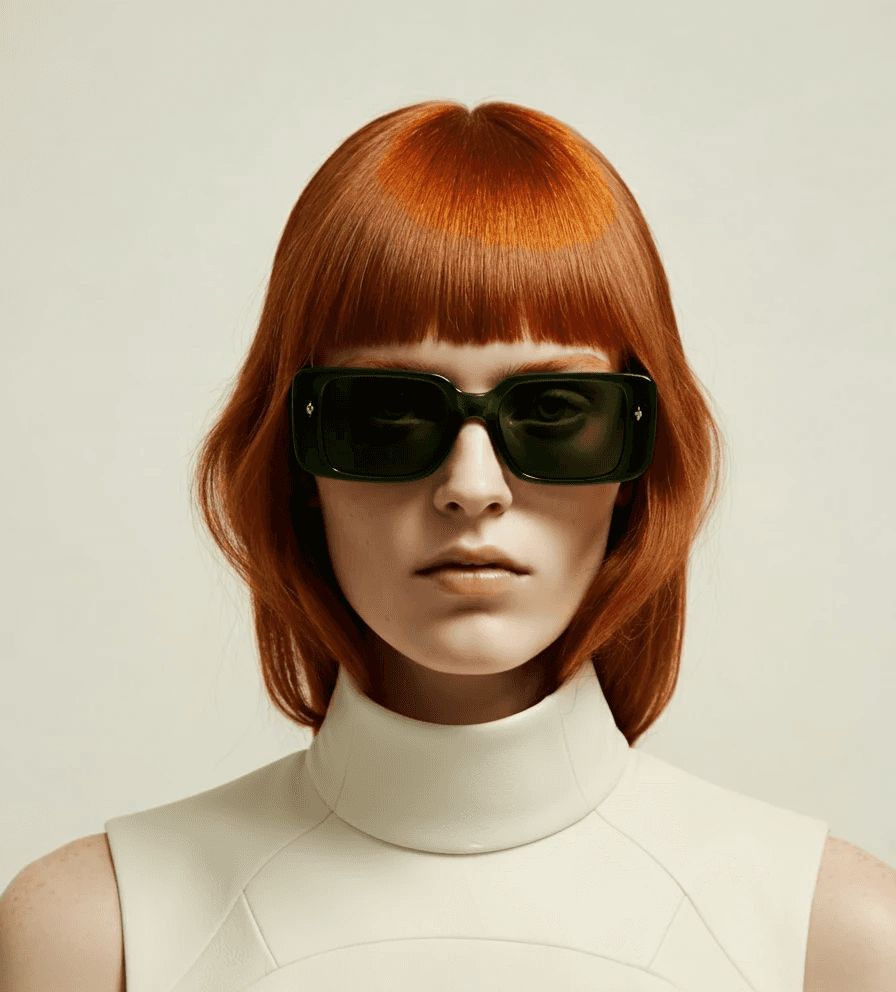
Polestar EV is not just a car; it’s a glimpse into the future of mobility. With innovation driving every decision, it redefines what it means to drive electric.
Designing with Empathy and Awareness
Design drive rooted in human environment begins with empathy. Designers who observe, listen, and test within real contexts create solutions that feel authentic and lasting.
This approach encourages:
Context-aware decision-making
Ethical and inclusive design
Long-term relevance over short-term trends
When designers respect the environment in which their work exists, design becomes a tool for meaningful improvement rather than surface-level expression.
Closing Thought
Human environment is the silent partner in every design decision. It shapes behavior, expectations, and perception. When design is driven by environmental understanding, it moves beyond aesthetics and becomes deeply functional, intuitive, and human.
Good design fits its environment.
Great design grows from it.


Designing Digital Products for Elders
Human Interaction
Design-Led Privacy in the Digital World
Human Interaction
Colour Psychology in Design
Design
Career story
Resume and downlaodables
Reach out
Let’s create something amazing together! Reach out I’d love to hear about your project and ideas.
