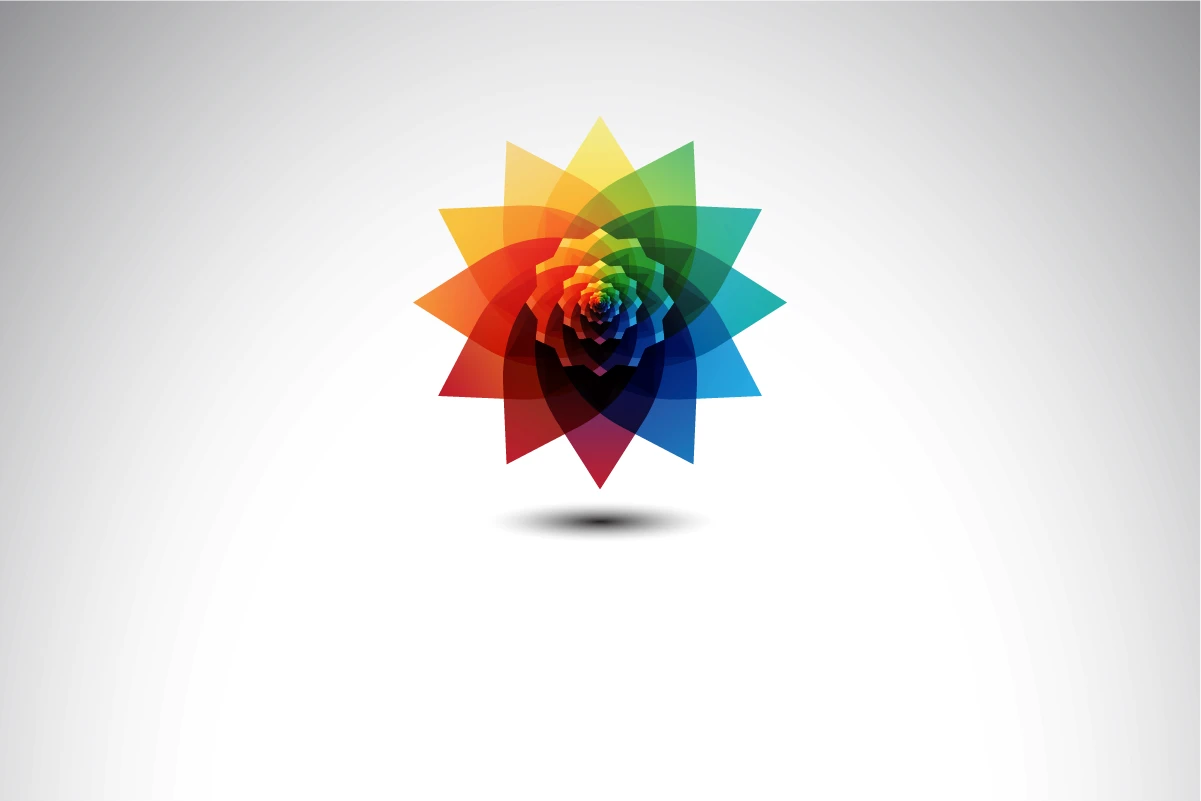
Colour Psychology in Design
Design
Colour is one of the most powerful tools in a designer’s arsenal. Long before a user reads a word or understands a layout, colour has already communicated mood, intent, and value. In design, colour is not decoration—it is strategy.
Colour Psychology in Design: How Colours Influence Decisions
Every colour carries meaning. Some meanings are instinctive, others cultural, but all of them shape how users feel and behave. Designers use colour psychology to guide attention, establish hierarchy, build trust, and influence actions—often subconsciously.
Understanding how colour works allows designers to move beyond aesthetics and design experiences that feel intuitive, intentional, and effective.

What Is Colour Psychology?
Colour psychology studies how colours affect human emotions, perceptions, and behavior. In design, it helps answer questions such as:
Why does a brand feel trustworthy?
Why does a button feel clickable?
Why does a product feel premium or affordable?
These reactions happen instantly. Within milliseconds, colour influences whether users feel calm or alert, confident or cautious, engaged or indifferent.
Designers leverage this by aligning colour choices with brand intent and user expectations.
While interpretations vary by culture and context, certain emotional patterns are widely recognized:
Red
Evokes energy, urgency, and passion. Often used for calls-to-action, warnings, or bold brand statements.Blue
Communicates trust, stability, and professionalism. Frequently used in finance, technology, and healthcare.Yellow
Signals optimism, warmth, and creativity. Effective for attracting attention, but excessive use can cause visual fatigue.Green
Associated with growth, balance, and well-being. Common in sustainability, health, and finance-related design.Black
Conveys sophistication, authority, and luxury. Used extensively in premium branding and editorial design.White
Represents clarity, simplicity, and space. Essential for readability and modern minimalist aesthetics.
The key is not choosing “the right colour,” but choosing the right colour for the intended response.

How Colour Shapes Brand Perception
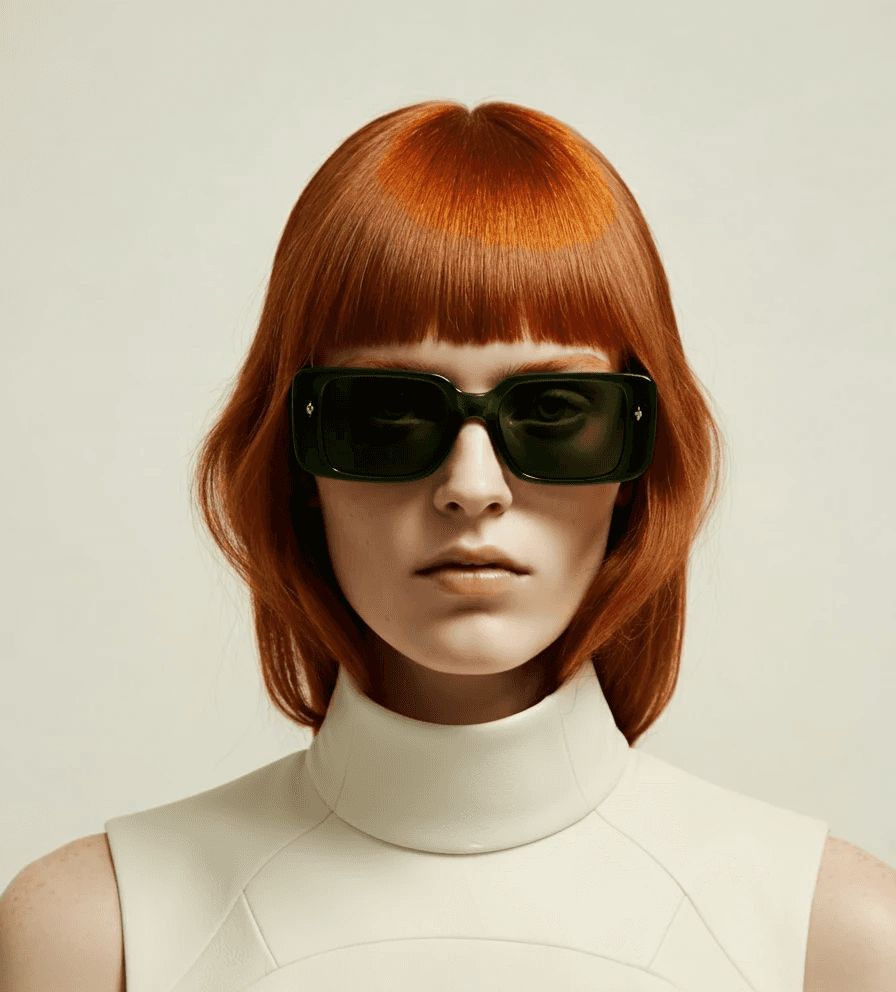
Colour is often the most recognizable element of a brand. Before typography or logo form is processed, colour sets expectations.
Consistent colour usage:
Builds recognition
Reinforces brand personality
Improves recall across platforms
For example, muted palettes often signal refinement and restraint, while vibrant colours suggest innovation and boldness. Inconsistent or poorly chosen colours can erode trust, regardless of product quality.
Successful brand design treats colour as a long-term asset, not a trend-driven choice
Using Colour to Guide Attention and Action
In user interface and digital design, colour directly affects usability. Designers use colour to:
Create visual hierarchy
Highlight primary actions
Differentiate interactive elements
Reduce cognitive load
Contrast improves accessibility. Accent colours draw focus. Neutral tones allow content to breathe.
When colour choices align with user expectations, interfaces feel effortless. When they do not, users feel friction—even if they cannot explain why.
Closing Thought
Colour psychology is not about rigid rules—it is about intentional choices. When designers understand how colour influences emotion and behavior, they gain the ability to design experiences that communicate clearly, feel intuitive, and resonate deeply.
Good design looks good.
Great design feels right.


Designing Digital Products for Elders
Human Interaction
Design-Led Privacy in the Digital World
Human Interaction
How Design Impacts Brand Trust
Design
Career story
Resume and downlaodables
Reach out
Let’s create something amazing together! Reach out I’d love to hear about your project and ideas.
