Rich Design vs Poor Design: The Difference You Can Feel
Design
Why some designs feel thoughtful and others feel forced
Not all design is equal. Some designs feel effortless, clear, and purposeful—while others feel confusing, cluttered, or incomplete. The difference between rich design and poor design is rarely about budget or tools; it is about intent, understanding, and execution.
Rich Design and Poor Design: More Than Just Aesthetics
Rich design communicates with clarity. Poor design creates friction. While both may look visually acceptable at first glance, their impact on users is fundamentally different.
Design quality is measured not by decoration, but by how well it solves problems, supports users, and aligns with context. The richness of a design lies in its depth of thought, not surface-level polish.
Characteristics of Rich Design
Rich design is intentional. Every element has a reason to exist and contributes to the overall experience.
Key traits include:
Clear hierarchy and structure
Strong alignment with user needs
Consistent visual language
Thoughtful use of space, color, and typography
Seamless interaction and flow
Rich design feels intuitive. Users understand what to do without being told. The design supports them quietly, without demanding attention.

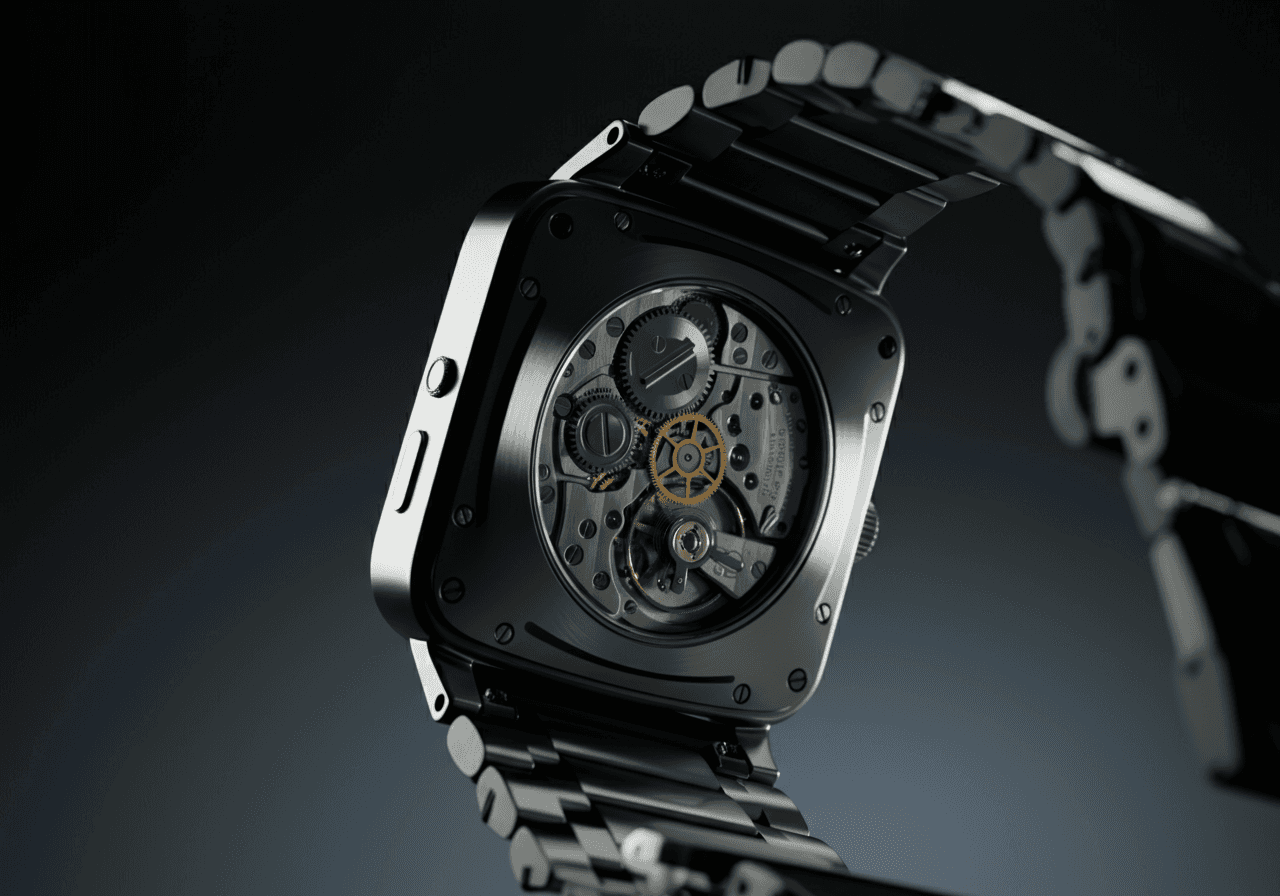
At its core, Audemars Piguet is about more than just telling time—it’s about telling a story of creativity, engineering, and bold vision.®
Common Signs of Poor Design
Poor design often results from rushed decisions, unclear objectives, or ignoring context. It is not always visually unattractive—but it is almost always ineffective.
Common indicators include:
Overcrowded layouts
Inconsistent styles and patterns
Weak contrast and readability
Confusing navigation or unclear actions
Design driven by trends rather than purpose
Poor design forces users to think harder than necessary. When effort increases, engagement drops.
Why Design Thinking Separates Rich from Poor Design
The difference between rich and poor design often lies in the process behind it.
Rich design is supported by:
Research and observation
Clear problem definition
Iteration and testing
Willingness to refine and simplify
Poor design skips these steps, focusing on output rather than understanding. Without a strong thought process, even visually impressive designs fail to deliver value.

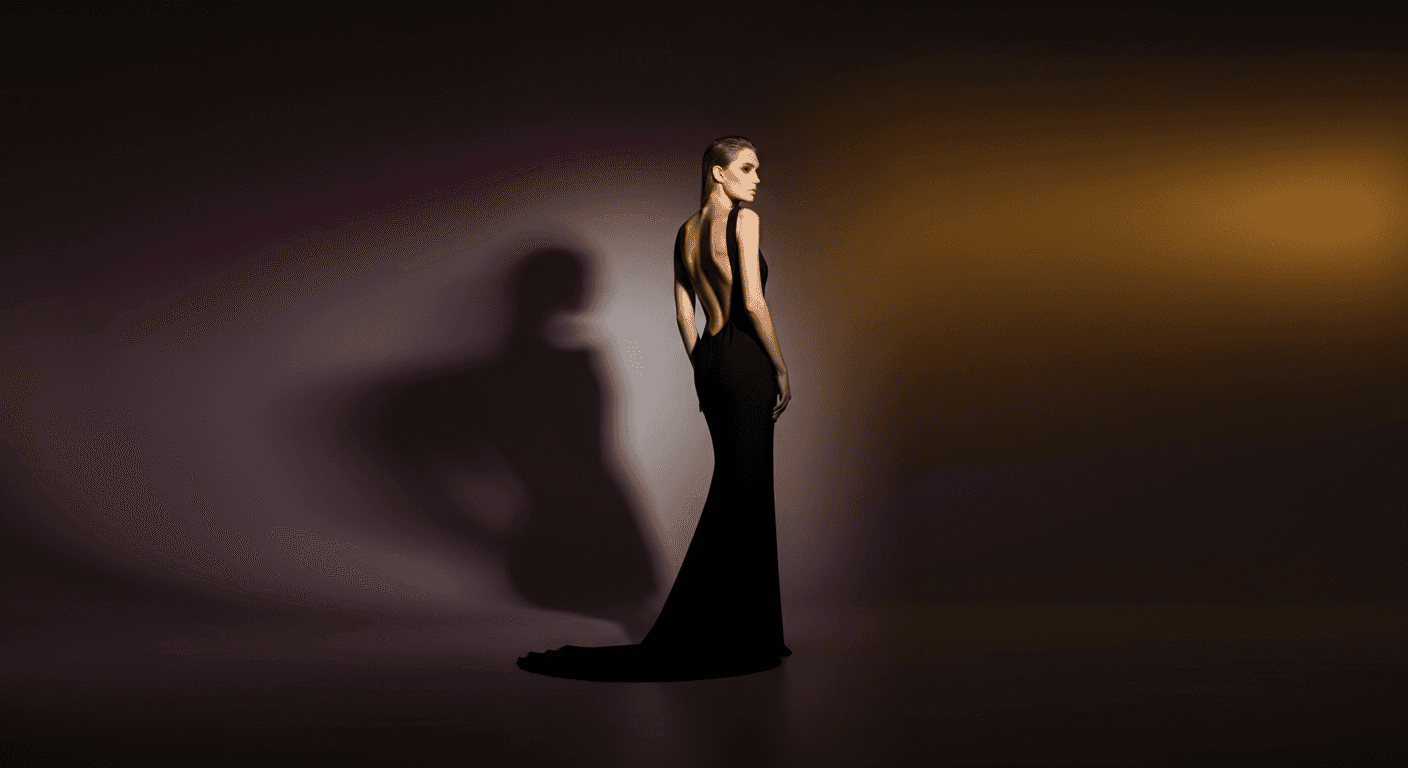
Each timepiece carries with it a legacy of innovation, precision, and exclusivity, making it more than just a watch but a work of art that transcends time.®
Moving from Poor Design to Rich Design
Improving design quality requires shifting focus from appearance to experience.
Designers should ask:
Does this solve a real problem?
Is this easy to understand and use?
Does every element serve a purpose?
Rich design ages well because it is grounded in clarity and relevance. Poor design reveals itself quickly—through confusion, frustration, or abandonment.
Closing Thought
Rich design respects the user. Poor design demands attention without offering value. The difference is not effort or expense—it is intention, empathy, and discipline.
Good design works.
Rich design endures.


Designing Digital Products for Elders
Human Interaction
Design-Led Privacy in the Digital World
Human Interaction
Colour Psychology in Design
Design
Career story
Resume and downlaodables
Reach out
Let’s create something amazing together! Reach out I’d love to hear about your project and ideas.
